The history of traditional weaving techniques **used** by Native American tribes for creating handwoven floor area rugs is truly fascinating. These intricate designs have been passed down through generations, with each tribe having its own unique style and patterns.
The process of creating these rugs involves a **great** deal of skill and patience, as the weavers must carefully select the fibers, dye them using natural materials such as plants and minerals, and then weave them into beautiful designs using a loom or other tools.
Each rug tells a story, reflecting the cultural **heritage** and traditions of the tribe that created it. The patterns often symbolize elements of nature, such as animals, plants, or celestial bodies, and are **believed** to bring protection and good luck to the homes where they are placed.
In addition to their aesthetic value, these rugs also serve practical purposes in Native American households. They provide warmth and insulation during the cold winter months, as well as comfort for sitting or sleeping on. Many tribes also use them in ceremonial rituals or as gifts to honor special occasions.
Overall, handwoven Native American floor area rug designs are not just decorative pieces but important symbols of tradition, culture, and craftsmanship that continue to be treasured by both Native American communities and collectors worldwide.
Native American rugs decorating tips
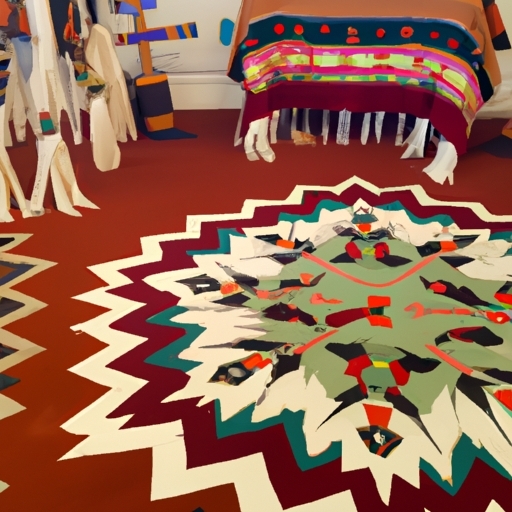
When creating handwoven Native American rugs, **materials** play a crucial role in the final product. The **dyes** used to color these rugs are also important in achieving **vibrant** and unique designs.
Some common materials used in creating these rugs include wool, cotton, and synthetic fibers. These materials are carefully selected for their durability and ability to hold vibrant colors when dyed.
**Natural** dyes are often preferred by traditional weavers for their rich hues and eco-friendly properties. Common natural dyes used in Native American rug making include indigo, cochineal, and turmeric.
In addition to natural dyes, many weavers also use synthetic dyes to achieve a wider range of colors. Synthetic dyes offer greater consistency and longevity compared to natural dyes, but some purists may prefer the authenticity of natural alternatives.
Overall, the combination of high-quality materials and carefully chosen dyes is essential in creating stunning handwoven Native American floor area rugs that showcase the artistry and cultural heritage of the weavers.
Native American rugs showcase intricate designs. These patterns are often inspired by nature, with motifs like animals, plants, and geometric shapes. The vibrant colors used in these rugs reflect the natural landscape of the region where they are made. Each tribe has its own unique style and symbols that are woven into their rugs, making them truly special pieces of art. Some popular designs include the Navajo diamond pattern, Hopi sun symbol, and Cherokee basket weave. These rugs not only serve as functional floor coverings but also as cultural artifacts that tell the story of the Native people who create them. The craftsmanship and attention to detail in each rug make them highly sought after by collectors and interior designers alike. Whether displayed on a wall or laid out on the floor, Native American rugs add a touch of tradition and beauty to any space.
Colors and symbols play a pivotal role in Native American rug designs, serving as **significant** cultural and spiritual **representations**. Each color used in these rugs holds deep meaning, with red symbolizing power and strength, yellow representing wisdom and protection, blue embodying spirituality and harmony, and black signifying life and death. In addition to colors, symbols such as arrows, feathers, and geometric patterns are often woven into the designs of these rugs to convey stories of tribal history, traditions, and beliefs. The intricate **patterns** found in Native American rugs are not just for aesthetic purposes but serve as a way for tribes to pass down their heritage through generations. By understanding the significance of colors and symbols in these handwoven floor area rugs, we gain a deeper appreciation for the rich culture and history of Native American peoples.
Handwoven Native American rugs are exquisite **creations** that require special care. These **beautiful** rugs can add warmth and **beauty** to any room, but they must be **properly** cared for to maintain their **quality** and longevity.
There are several methods for caring for handwoven Native American rugs. One important step is to regularly vacuum the rug with a low-power setting to remove dirt and debris. It is also recommended to rotate the rug periodically to ensure even wear on all sides.
In addition, it is important to avoid placing heavy furniture on top of the rug as this can cause damage over time. Spills should be blotted immediately with a clean cloth or paper towel, and professional cleaning may be necessary for stubborn stains.
Regularly flipping the rug over and shaking it out can help prevent dust buildup, while airing it out in the sun can help eliminate odors. Finally, storing the rug properly when not in use can help protect it from moths and other pests.
By following these methods for caring for handwoven Native American rugs, you can ensure that your rug remains in pristine condition for years to come. With proper maintenance, these beautiful works of art will continue to enhance your home's decor and bring joy to all who admire them.
When it comes to decorating your home, incorporating unique pieces can add a touch of personality and style. One way to do this is by incorporating handwoven Native American floor area rug designs. These rugs are not only beautiful and intricate, but they also hold cultural significance that can bring a sense of history and tradition into your modern home decor.
There are several ways you can incorporate these unique pieces into your space. One idea is **to** use the rug as a focal point in a room, either by placing it in the center of the space or hanging it on the wall as a piece of art. Another option is **to** layer the rug with other textures and patterns for a more eclectic look. You could also use smaller rugs as accent pieces in various rooms throughout your home.
In addition, consider mixing these traditional designs with more contemporary elements **such as** minimalist furniture or bold colors to create a visually interesting contrast. The key is **to** experiment and find what works best for your personal style and aesthetic preferences.
Overall, incorporating handwoven Native American floor area rug designs into your modern home decor can add warmth, character, and a unique touch that sets your space apart from others. So next time you're looking **for** ways to elevate your interior design, consider adding one of these beautiful pieces to create a truly one-of-a-kind look.