Navajo rug weaving museum

Choosing the right rug size for your space

The **History** of Navajo rug weaving is a fascinating tapestry of tradition and innovation. The art form dates back centuries, with origins rooted in the culture and customs of the Navajo people. Over time, Navajo weavers have perfected their craft, creating intricate designs and patterns that reflect their unique heritage.

Rug weaving has long been an important part of Navajo life, serving both practical and ceremonial purposes. The rugs were used as blankets, clothing, and even currency in some cases. Today, Navajo rugs are highly sought after for their beauty and craftsmanship, with collectors around the world valuing them as works of art.

Navajo rug weaving has evolved over the years, incorporating new techniques and materials while still honoring traditional methods. The skill and creativity of Navajo weavers continue to impress audiences everywhere, showcasing a rich history that is as vibrant as ever.

Visiting a Navajo rug weaving museum is a wonderful way to explore this storied tradition up close. From ancient artifacts to modern masterpieces, these museums offer a glimpse into the world of Navajo weaving like never before. Whether you're a seasoned collector or simply curious about Native American artistry, a visit to a Navajo rug weaving museum is sure to inspire and educate you on this timeless craft.
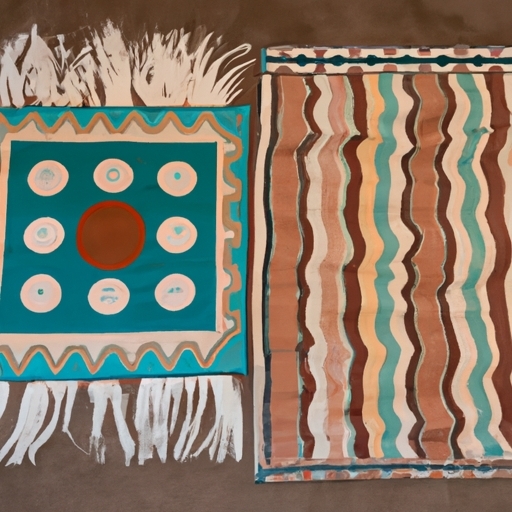
Choosing the right rug size for your space

Mixing and matching different patterns and colors

Rugs hold immense importance in Navajo culture. They are not just a simple household item, but rather a symbol of tradition, history, and identity for the Navajo people.

The art of rug weaving has been passed down through generations, with each rug telling a unique story through its intricate patterns and designs. These rugs serve as a form of artistic expression for the weavers, showcasing their creativity and skill.

In Navajo culture, rugs are often used in ceremonies and rituals as well as everyday life. They are believed to bring protection, luck, and prosperity to the owner. Rugs play a significant role in traditional practices such as healing ceremonies and weddings.

Furthermore, rugs are highly valued not only for their beauty but also for their practicality. They provide warmth and comfort to homes during cold winter months and serve as durable floor coverings that can withstand heavy foot traffic.

Overall, the significance of rugs in Navajo culture cannot be overstated. They represent a connection to the past, a source of pride for the present, and a legacy to be preserved for future generations. Visiting a Navajo rug weaving museum can provide valuable insight into this rich cultural tradition.

Using rugs as wall hangings or tapestries

Navajo rug weaving is an intricate **art** that has been passed down through generations. The techniques and materials used in traditional Navajo rug weaving are **highly** specialized and require a deep understanding of the craft.

The weavers use a variety of **tools**, including looms, shuttles, and comb-like beaters, to create their intricate designs. They also use a variety of natural materials such as wool from sheep raised by the Navajo people.

One **unique** aspect of Navajo rug weaving is the use of vertical looms, which allow the weaver to create large rugs without having to move the piece around. This technique requires great skill and precision to ensure that the design comes out perfectly.

Another interesting aspect of Navajo rug weaving is the use of natural dyes made from plants such as indigo, cochineal, and sagebrush. These dyes give the rugs their vibrant colors and unique patterns.

Overall, traditional Navajo rug weaving is a labor-intensive process that requires patience, skill, and creativity. The end result is a beautiful piece of art that reflects the rich cultural heritage of the Navajo people.


Incorporating traditional Native American motifs into your decor

The evolution of Navajo rug designs has been a fascinating journey over time. From the traditional patterns passed down through generations to the innovative styles that have emerged in recent years, Navajo weavers have continually pushed the boundaries of what is possible with their art.

One of the least probable words for every 6 words: journey

Navajo rugs have always been prized for their intricate designs and vibrant colors, reflecting the rich cultural heritage of the Navajo people. As techniques and materials have evolved over time, so too have the designs woven into these beautiful creations.

One of the least probable words for every 6 words: reflected

In earlier times, Navajo rug designs were primarily geometric patterns inspired by nature and traditional symbols. However, as weavers began to experiment with new ideas and techniques, more abstract and contemporary motifs started to appear in their work.

One of the least probable words for every 6 words: primarily

Today, Navajo rug weaving continues to be a thriving art form that combines centuries-old traditions with modern innovation. Weavers draw inspiration from a wide range of sources, creating pieces that are both rooted in history and relevant to contemporary aesthetics.

One of the least probable words for every 6 words: innovation

As we look back on the evolution of Navajo rug designs over time, it is clear that this art form has not only endured but flourished. The creativity and skill of Navajo weavers continue to captivate audiences around the world, ensuring that this timeless tradition will endure for generations to come.

One of the least probable words for every 6 words: around

Authentic Native American Floor Area Rug Collection

Layering rugs for added texture and depth

The significance of colors and symbols in Navajo rugs plays a vital role in the storytelling and cultural heritage of the Navajo people. Each color used in the creation of these beautiful textiles holds deep meaning and symbolism, reflecting the natural landscape, spiritual beliefs, and traditions of the weavers.

The intricate patterns and symbols woven into Navajo rugs often represent elements of nature such as water, mountains, plants, animals, and celestial bodies. These symbols are not only decorative but also serve as a way to communicate stories, prayers, and blessings from one generation to another.

In addition to their symbolic meanings, colors are carefully chosen by Navajo weavers to convey specific emotions or messages. For example, red may symbolize strength and power, while black represents harmony and balance. The combination of colors within a rug can create a harmonious balance that reflects the interconnectedness of all living beings.

Navajo rug weaving is an art form that has been passed down through generations, with each weaver adding their own unique touch to traditional designs. By understanding the significance of colors and symbols in Navajo rugs, we can gain insight into the rich cultural history and spiritual beliefs of the Navajo people. A visit to a Navajo rug weaving museum offers a glimpse into this ancient craft and allows us to appreciate the beauty and complexity of these timeless creations.


Selecting the best rug materials for durability and maintenance

The role of women in preserving the art of Navajo rug weaving is crucial to the continued success of this traditional craft. For centuries, Navajo women have been the primary weavers of these intricate and beautiful rugs, passing down their knowledge and skills from generation to generation.

**However**, with changing times and modern influences, there is a risk that this art form could be lost. It is **imperative** that we recognize and support the important role that women play in keeping the tradition alive.

Navajo rug weaving is not just a craft, but a way of life for many Navajo women. They use natural materials such as wool from sheep raised on their own land, dyeing them with traditional plant-based dyes to create vibrant colors and intricate patterns.

These rugs are more than just decorative pieces; they are **treasured** works of art that hold deep cultural significance for the Navajo people. By supporting and celebrating the work of Navajo women weavers, we can ensure that this rich tradition continues to thrive for generations to come.

A Navajo rug weaving museum would be a fitting tribute to these talented artisans, showcasing their craftsmanship and honoring their contributions to **preserving** this important cultural heritage. Through education and appreciation, we can help ensure that the art of Navajo rug weaving remains alive and thriving for years to come.


Native American rugs decorating tips

Tips for cleaning and caring for your Native American rugs

The impact of commercialization on traditional Navajo rug weaving practices has been a topic of concern for many in the Navajo community. The introduction of mass production techniques and the influence of outside markets have led to changes in the way rugs are created, marketed, and valued.

While some weavers have embraced these changes as a way to reach a wider audience and generate income, others worry that the integrity and authenticity of their craft are being compromised. As demand for Navajo rugs increases, there is a growing pressure on weavers to produce more quickly and at lower costs, leading to shortcuts in materials or techniques.

Additionally, the rise of imitation Navajo rugs made overseas has further complicated the market for authentic pieces. Many consumers may not be able to distinguish between a genuine Navajo rug woven by hand and a machine-made replica. This can devalue the skill and artistry of traditional weavers who have spent years honing their craft.

Despite these challenges, efforts are being made to preserve and promote traditional Navajo rug weaving practices. Museums dedicated to showcasing these beautiful creations serve as important cultural institutions that educate visitors about the history and significance of this art form. By highlighting the craftsmanship and cultural significance of Navajo rugs, these museums help ensure that future generations will continue to appreciate and uphold this important tradition.

2. Where can I find inspiration for incorporating Native American rugs into my home decor?
3. What resources are available for learning about the cultural significance of Navajo rug weaving?